Affiliation : Scientist, Cachar Cancer Hospital & Research Centre, India
Title of the Talk/Lab :
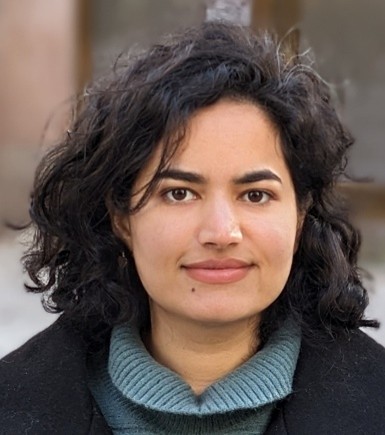
Dr. Litika Vermani is a senior scientist at Cachar Cancer Hospital and Research Centre, Assam, India, where she is actively involved in cancer genetics, inherited cancer predisposition, multi-omics data analysis, and molecular diagnostics. She initiated the hospital’s cancer genetics clinic to support families affected by hereditary cancer syndromes and contributes extensively to molecular diagnostic services to enable precise and personalized cancer care. She is a Co-Investigator in a colorectal cancer Multi-Omics Multi-Centre project and a Co-Principal Investigator in the Pre-Cancer Genome/Transcriptome Atlas project of the oral cavity funded by the Indian Council of Medical Research (ICMR), Government of India. Recently, she was awarded The Lady Tata Trust Memorial Research Grant to conduct a multi-omics study in esophageal cancer in collaboration with Tata Memorial Hospital, Mumbai.
Litika holds a PhD in colorectal cancer genetics and a master’s degree in Human Genetics from the University of Jammu, where she graduated as a gold medalist. Over the past nine years, her work has focused on exploring the genetic factors that influence cancer risk.
At Karolinska Universitetssjukhuset and Karolinska Institutet, Stockholm, Sweden she worked as a post-doctoral researcher and later as a Research Specialist, where she investigated familial cancers within the Swedish population, with a focus on low-penetrance genes contributing to colorectal, gastric, breast, and endometrial cancers. Her research has been presented at national and international conferences, and her commitment to scientific excellence has earned global recognition, including her selection as the only scientist from India for an advanced data curation course organized by LOVD and UNESCO.
With a strong blend of clinical and research expertise, Dr. Vermani continues to advance the field of cancer genetics through improved diagnostics, multi-omics research, and targeted interventions for individuals at risk of hereditary cancers.